
 Facebook
 X
X
 Pinterest
 Copy Link
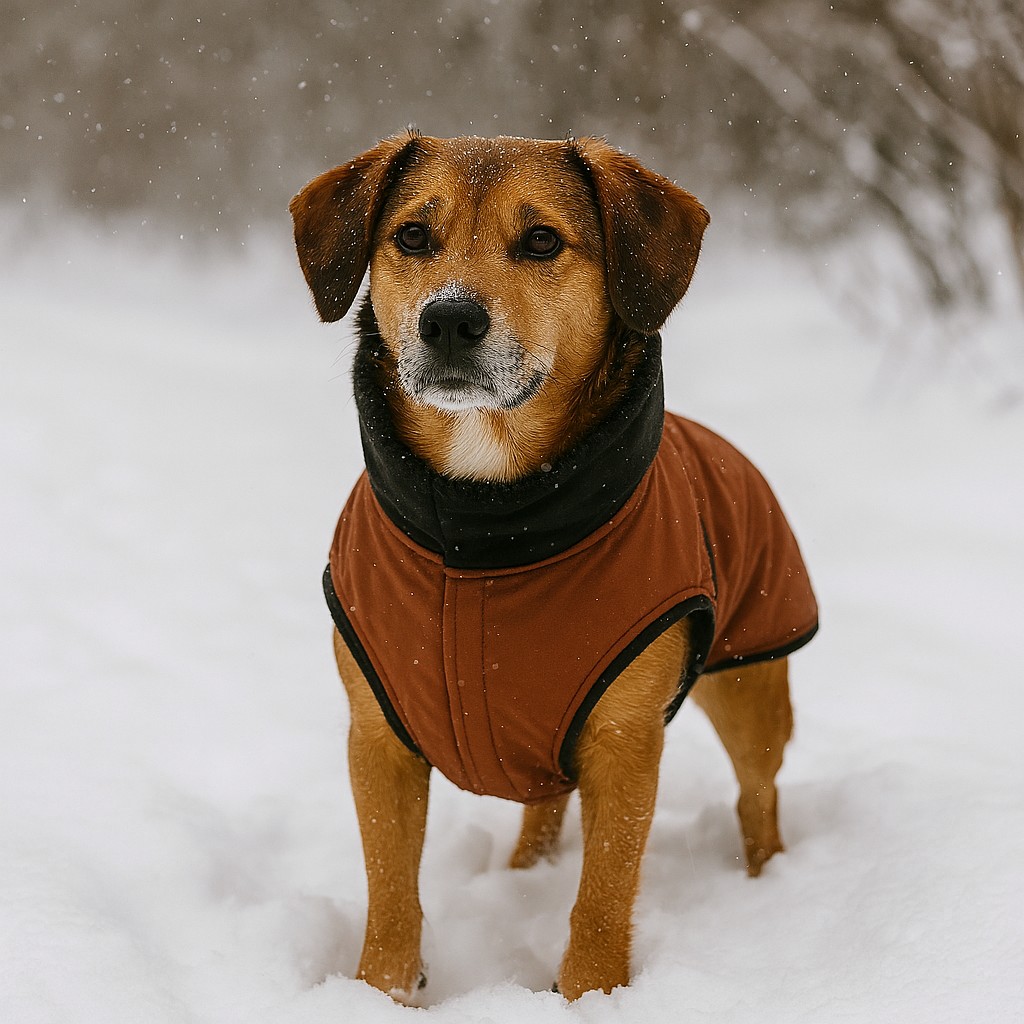
 When temperatures plunge in New York, pets face serious risks—from frostbite to toxic ice melts. Protecting them means more than just bundling up—it’s about smart, proactive care tailored to winter’s harshest days.
🐾 Winter Safety Tips for Pets: How to Keep Your Furry Friends Safe in Extreme Cold
As winter tightens its grip, our pets rely on us to shield them from the season’s harshest conditions. Whether you’re walking your dog through snowy streets or caring for outdoor animals, here’s how to keep them safe, warm, and healthy when the mercury drops.
1. Limit Outdoor Time
- Rule of thumb: If it’s too cold for you, it’s too cold for them.
- Short walks only during frigid weather, especially for short-haired or elderly pets.
- Outdoor cats and dogs should be brought inside. If that’s not possible, provide a dry, insulated shelter with straw bedding and a wind-blocked entrance.
2. Protect Those Paws
- Ice, salt, and chemical de-icers can burn paw pads or cause illness if licked.
- Use booties or apply pet-safe paw balm before walks.
- After outings, wipe paws thoroughly to remove salt and debris. Check for cracks or redness between toes.
3. Dress for the Weather
- Short-haired dogs benefit from coats or sweaters with belly and neck coverage.
- Avoid shaving long-haired pets in winter—their coat provides insulation.
- Trim fur around paws to reduce ice buildup, but don’t go too short.
4. Watch for Antifreeze and Ice Melt Hazards
- Antifreeze is deadly—even small amounts can be fatal. Clean spills immediately and store containers securely.
- Choose pet-safe ice melts for your driveway and walkways.
5. Hydration and Nutrition Matter
- Pets burn more calories staying warm—slightly increase food portions if they’re active outdoors.
- Ensure access to fresh, unfrozen water. Dehydration is a hidden winter risk.
6. Skin and Coat Care
- Cold air and indoor heat can cause dry, itchy skin.
- Bathe pets less often, and use moisturizing shampoos recommended by your vet.
- Towel dry thoroughly after walks, especially paws and belly.
7. Know Your Pet’s Limits
- Puppies, senior pets, and those with chronic conditions (like diabetes or arthritis) are more vulnerable to cold.
- Watch for signs of distress: shivering, whining, slowing down, or seeking shelter.
8. Car Safety
- Never leave pets alone in a cold car—vehicles trap cold like refrigerators.
- Bang on your hood before starting your car—cats may seek warmth near the engine.
🏡 Real Estate Tie-In: Winter-Proofing Your Home for Pets
If you’re showing homes or prepping listings this season, highlight features like:
- Mudrooms or entryways for easy paw clean-up
- Heated floors or cozy nooks for pet comfort
- Safe outdoor enclosures with wind protection
Final Thought
Winter in New York can be beautiful—but brutal. With a few thoughtful steps, you can ensure your pets stay safe, warm, and happy all season long.
