
 Facebook
 X
X
 Pinterest
 Copy Link
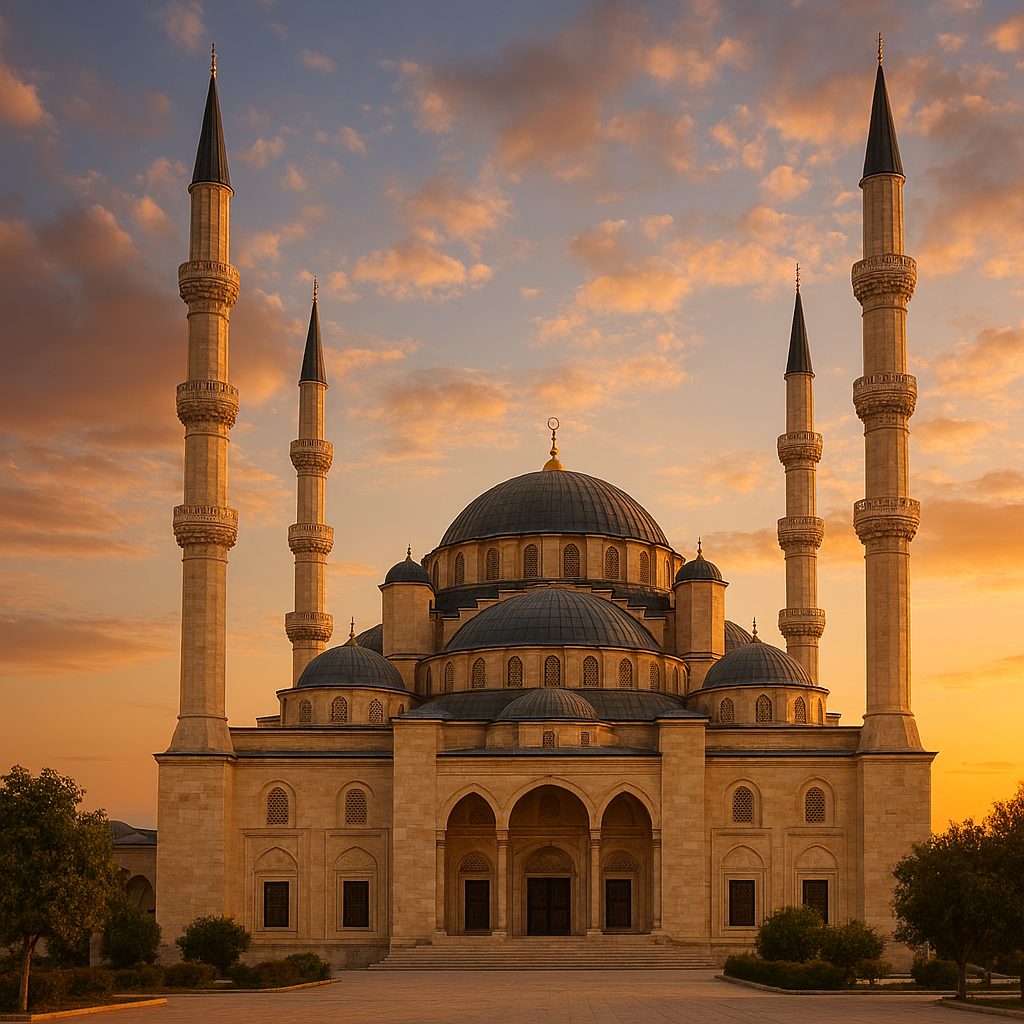
As winter begins to loosen its grip and the days slowly grow lighter, Muslims around the world prepare for one of the most sacred and spiritually significant times of the year: Ramadan. This holy month is a period of reflection, discipline, community, and deep faith—observed by more than a billion people across the globe.
What Is Ramadan?
Ramadan is the ninth month of the Islamic lunar calendar and is considered the holiest month in Islam. It commemorates the period when Muslims believe the Qur’an was first revealed to the Prophet Muhammad, a moment known as The Night of Power.
At its heart, Ramadan is about:
- Fasting from dawn to sunset
- Prayer and spiritual reflection
- Acts of charity and generosity
- Strengthening community and family bonds
Fasting—known as sawm—is one of the Five Pillars of Islam, making it a core practice of the faith. During daylight hours, Muslims abstain from food and drink, beginning the day with a pre-dawn meal called suhoor and breaking the fast at sunset with iftar.
When Does Ramadan Begin in 2026?
Because the Islamic calendar follows the phases of the moon, Ramadan does not fall on the same Gregorian date each year. Its start is confirmed by the sighting of the new crescent moon, which can vary slightly by region.
For 2026, Ramadan is expected to begin around February 18 or 19, depending on local moon sightings. Many forecasts point to February 19, 2026, as the likely first day of fasting in several countries.
How Long Does Ramadan Last?
Ramadan lasts 29 or 30 days, again depending on the next crescent moon sighting. For 2026, projections suggest the month will end around March 19 or 20, with Eid al-Fitr—the joyous celebration marking the end of fasting—expected on March 20, 2026.
Why Ramadan Matters
Beyond the physical discipline of fasting, Ramadan is a time for:
- Renewing one’s sense of gratitude
- Practicing patience and compassion
- Strengthening spiritual awareness
- Supporting those in need
It’s a month that brings families and communities together, whether through nightly prayers, shared meals, or charitable giving.
