
 Facebook
 X
X
 Pinterest
 Copy Link
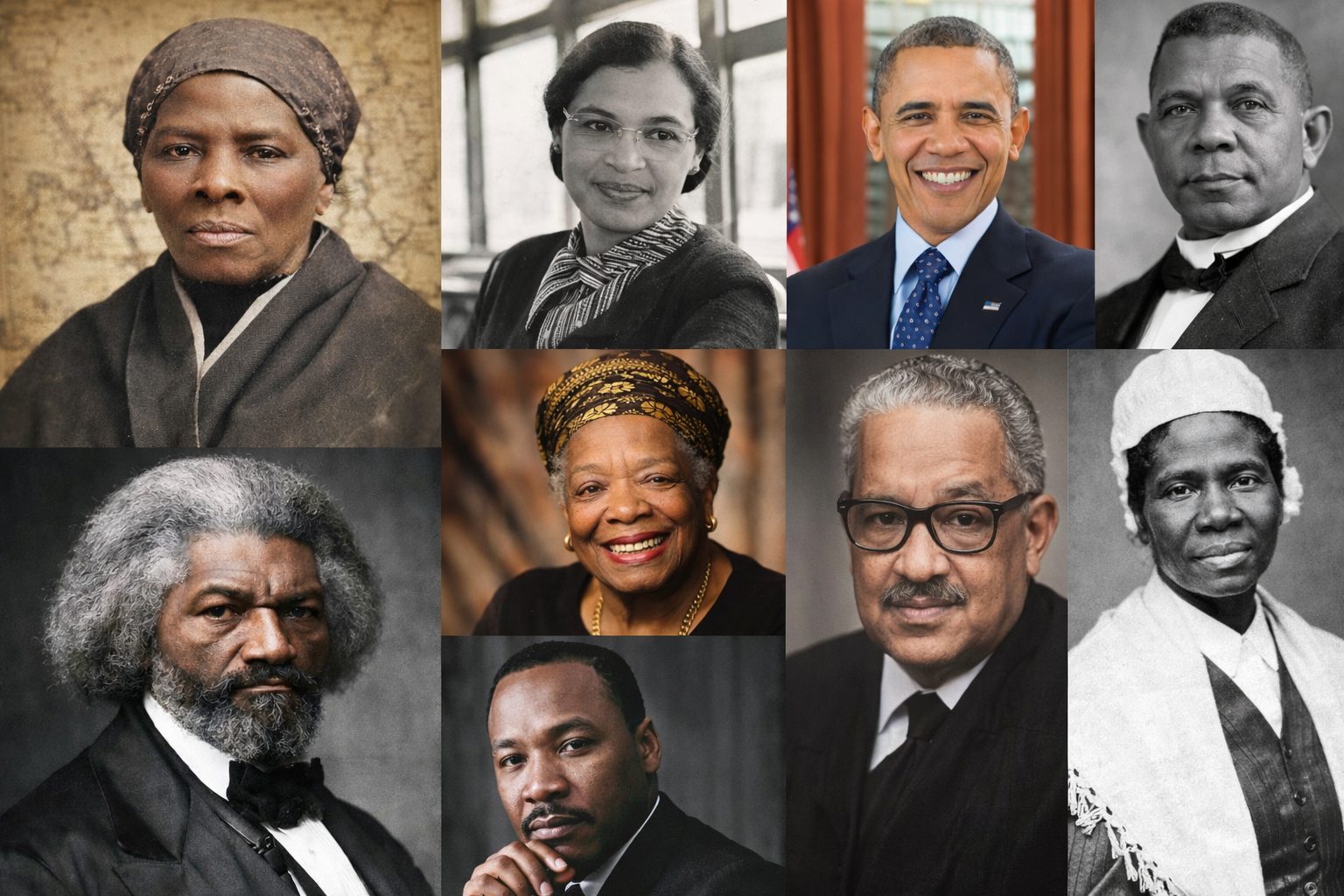
Every February, the United States observes Black History Month, a time dedicated to recognizing the achievements, contributions, and enduring impact of Black Americans throughout history. It is a celebration of culture, resilience, innovation, and progress — and an opportunity to reflect on the ongoing journey toward equality and justice.
Why Black History Month Matters
Black History Month began as a week-long celebration in 1926, created by historian Carter G. Woodson to ensure that the contributions of Black Americans were recognized and studied. Over time, the observance expanded into a month-long celebration, officially recognized in the U.S. in 1976.
The month encourages learning, reflection, and appreciation for the countless individuals who shaped American society through leadership, creativity, activism, and innovation.
Influential Figures Who Changed History
Throughout history, many individuals have made transformative contributions, including:
-
Martin Luther King Jr. — A leader of the civil rights movement who advocated for nonviolent resistance and helped bring major changes through speeches like his “I Have a Dream” address.
-
Rosa Parks — Known for her pivotal role in the Montgomery Bus Boycott, helping spark nationwide civil rights efforts.
-
Harriet Tubman — An abolitionist who helped enslaved people escape to freedom through the Underground Railroad.
- Frederick Doulas – An American social reformer, abolitionist, orator, writer, and statesman who escaped slavery in 1838 to become the leading African American voice of the 19th century.
- Sojourner Truth – An American abolitionist and activist for African-American civil rights, women’s rights, and alcohol temperance.
-
Booker T Washington — An American educator, author, and civil rights leader who rose from slavery to become the first president of Tuskegee Institute, shaping it into a leading center for African American vocational education, while quietly supporting legal challenges to segregation
- Thurgood Marshall — An American civil rights lawyer and jurist who served as the first African American U.S. Supreme Court Justice
-
Maya Angelou — A celebrated author and poet whose work explored identity, resilience, and social justice.
- Barack Obama — The first Black President of the United States
Their contributions — along with those of countless others — continue to inspire new generations.
Celebrating Black Culture and Achievement
Black History Month also highlights the influence of Black Americans in:
-
Music, art, and literature
-
Science and technology
-
Business and entrepreneurship
-
Education and public service
-
Sports and entertainment
From jazz and hip-hop to groundbreaking scientific discoveries and cultural movements, Black contributions continue to shape global culture.
How You Can Participate
There are many meaningful ways to observe Black History Month:
-
Support Black-owned businesses
-
Read books by Black authors
-
Visit museums or cultural exhibits
-
Attend local community events
-
Learn about lesser-known historical figures
-
Engage in conversations about equity and inclusion
Looking Forward
Black History Month is not only a time to honor the past but also an opportunity to build a more inclusive future. By learning, celebrating, and engaging, we help ensure that history is remembered and progress continues.
