
 Facebook
 X
X
 Pinterest
 Copy Link
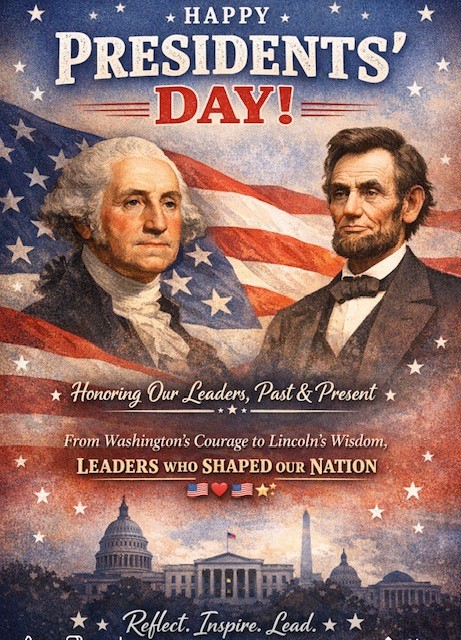
Every year on the third Monday in February, Americans celebrate Presidents Day — a national holiday dedicated to honoring the leaders who have shaped the United States. While many people recognize the day for sales and a long weekend, the holiday carries a rich history rooted in the nation’s founding and growth.
The Origins of Presidents Day
Presidents Day began as a celebration of George Washington’s birthday. Born on February 22, 1732, Washington is widely known as the “Father of His Country” for his leadership during the American Revolution and his role in establishing the presidency.
The federal government first officially recognized Washington’s Birthday as a holiday in 1879. Later, in 1971, the United States Congress passed the Uniform Monday Holiday Act, which moved the celebration to the third Monday in February. This change created more three-day weekends for workers and helped broaden the holiday’s focus to honor all U.S. presidents.
Why It’s Called Presidents Day
Although the official federal holiday remains Washington’s Birthday, the term “Presidents Day” became widely used to recognize multiple American leaders — especially both Washington and Abraham Lincoln, whose birthday falls on February 12. Over time, the holiday evolved into a day of remembrance for all presidents and their contributions to the nation.
The Importance of the Presidency
The presidency is one of the most influential roles in the United States government. Presidents guide national policy, respond to crises, shape economic direction, and represent the country on the global stage. From the early leadership of Washington to modern administrations, each president has left a unique mark on American history.
Presidents Day provides an opportunity to reflect on:
-
The challenges and responsibilities of national leadership
-
The evolution of American democracy
-
The individuals who have guided the country through times of change
-
The values of service, unity, and civic responsibility
How Presidents Day Is Celebrated
Today, Americans observe Presidents Day in several ways:
-
Educational programs in schools that teach presidential history
-
Community events and historical reenactments
-
Visits to museums and historical landmarks
-
Reflection on the nation’s founding principles and leadership
Many government offices, banks, and schools close for the holiday, giving families time to learn, reflect, and celebrate.
A Time to Reflect on Leadership
Presidents Day is more than a day off — it’s a moment to recognize the leadership, vision, and dedication that have helped shape the United States. By remembering the nation’s presidents and their contributions, Americans can gain a deeper appreciation for the country’s history and the principles that continue to guide its future.
Whether through learning about past leaders, visiting historic sites, or simply reflecting on the meaning of public service, Presidents Day encourages us all to consider the impact of leadership on our nation’s journey.
